
Joint or muscle discomfort can come on for seemingly no reason at all. Often they resolve on their own in a day or two, but sometimes they need a bit of help. If your aches and pains keep recurring, or last for longer than you’d like, visit your osteopath.
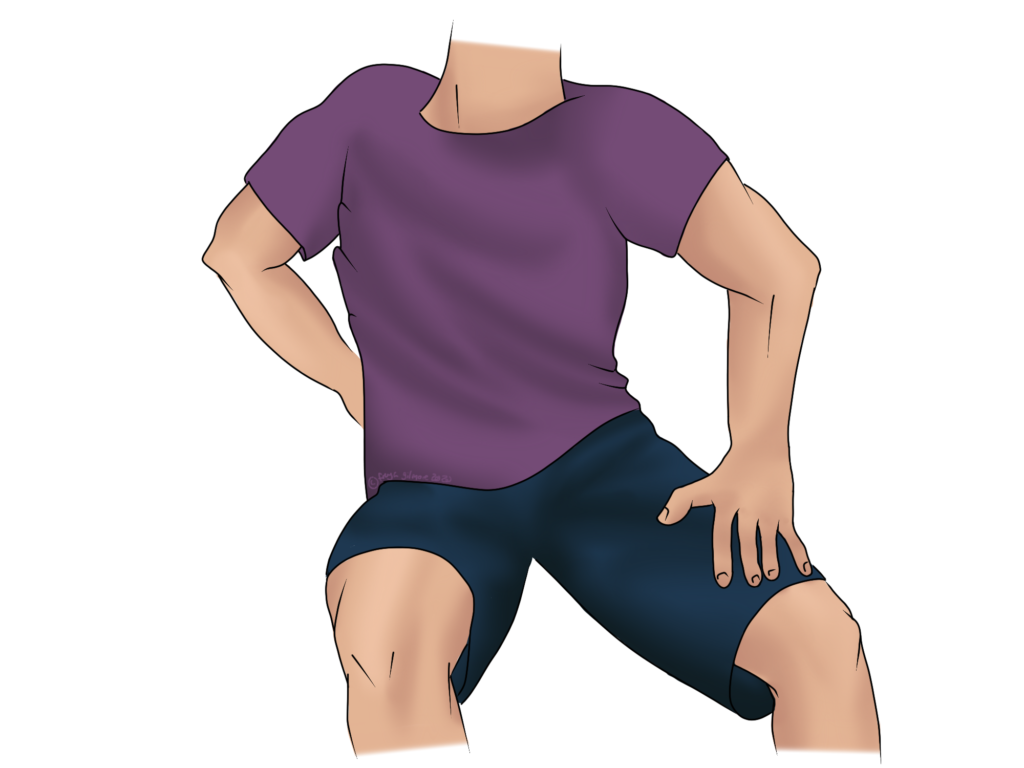
Muscle Strains and DOMS
Transient aches and pains often come from muscles. When you demand more of a muscle than usual, it can cause tiny fibres to break. This is not all bad news, as it allows the body to rebuild them stronger to cope with the higher demand. In this sense, muscles are very adaptive, as mass can be gained and lost quickly in response to exercise or lack of it. When this is the cause of your pain, it will likely pass within a few days as the body makes its repairs.
Whereas you could sprain a ligament, muscles can be strained or torn. Tears are graded in the same way as sprains, with a higher number indicating a more significant injury.
DOMS is short for delayed onset muscle soreness. This is the kind of soreness you might expect to feel the day after doing a lot of exercise. It doesn’t indicate significant damage, and should fully resolve within a few days. A cool compress, applied intermittently (no more than 10 minutes per hour), might help with managing the discomfort. But don’t attempt to numb the area with cold, or to completely remove all signs of inflammation: the inflammation is key to healing the muscle.
Joint Aches and Pains
Pains within joints could be the result of injuries or general wear and tear. Discomfort that developed slowly or follows a trauma (even just a small one) could point towards a joint problem. Depending on the anatomy of the joint in question, your osteopath will investigate potential causes of your pain. This might mean considering the cartilage, bony abnormalities, or ligament sprains to name a few.
When we talk about “wear and tear”, we’re usually talking about osteoarthritis. Spotting the signs early and making changes to improve joint health are key to slowing the progression. Not all cases of arthritis lead to joint replacements. Although arthritis develops slowly, symptoms can come on in a short period of time as the body works hard to adapt without you realising. It is once this adaptability is overstretched that you begin to notice the joint pain.
Managing Aches and Pains
Whatever the cause of your symptoms, we want to target at least two things with your treatment:
- get the symptomatic area under control
- manage and prevent compensation that causes secondary problems elsewhere
The sooner we can see you the better, as the longer these adaptations are present, the longer it usually takes to resolve them. If your symptoms are limiting your normal activity, we can help you return to exercise at a safe pace without setting yourself back or missing the optimum window for load bearing during tissue healing.
