


Trigger Points
Trigger points are a complicated and misunderstood cause of pain. They are more than just “knots”, and they may be responsible for symptoms quite distant from the points themselves (referred pain). Trigger points (TrPs) have been described in a number of...
Neck Pain (of non-traumatic origin)
Some people think that osteopaths just treat backs or bones, but we are qualified to treat so much more. The neck is another area that we are trained to diagnose and work with. At your first appointment, we will take a detailed case history to get an idea of what...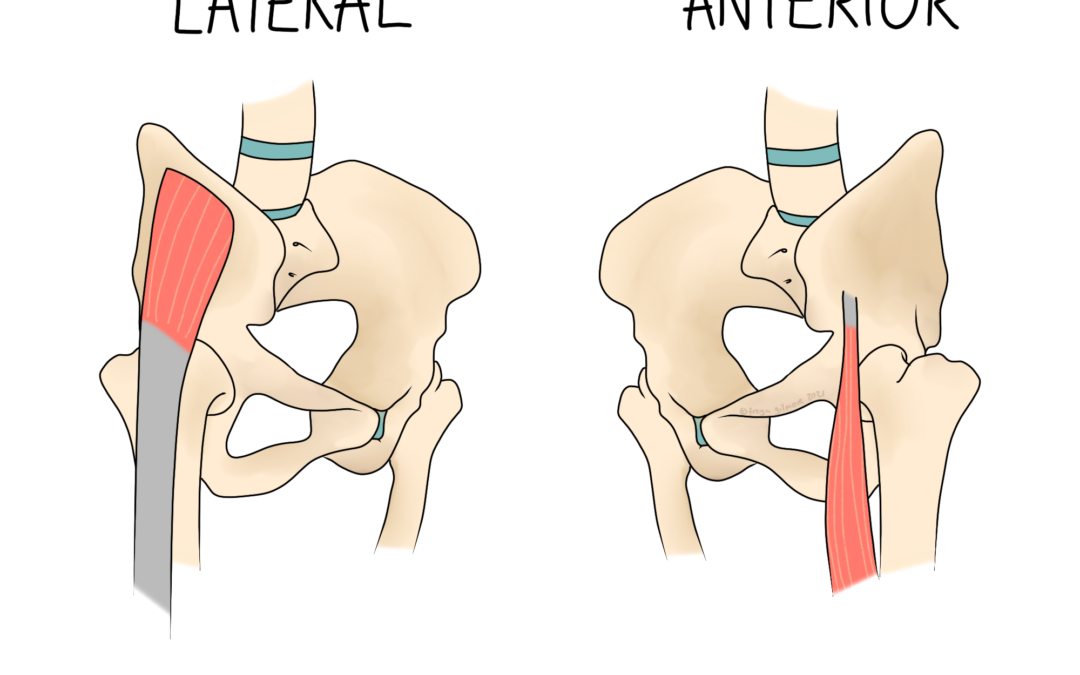
Snapping Hip Syndrome
The first information we gather when making your diagnosis is the information you tell us yourself. Whether you describe your pain as an ache or a snap, and whether or not it comes with a feeling of shifting is all important to know. The Three Types Lateral: the IT...
The Pelvic Floor
Just like everyone has a diaphragm, everyone has a pelvic floor. It is made up of a number of muscles, and can be considered a component of your “core”. The role of the pelvic floor (PF) is to support the organs within the pelvis. Pregnancy and Childbirth...Click here to

Telephone:
Devizes 01380 728453
Pewsey 01672 564646
Amesbury 07500 019487