
Calcific tendinopathy occurs when calcium deposits develop within a tendon. The condition most commonly affects the shoulder, particularly the rotator cuff tendons, although it can occur elsewhere in the body.
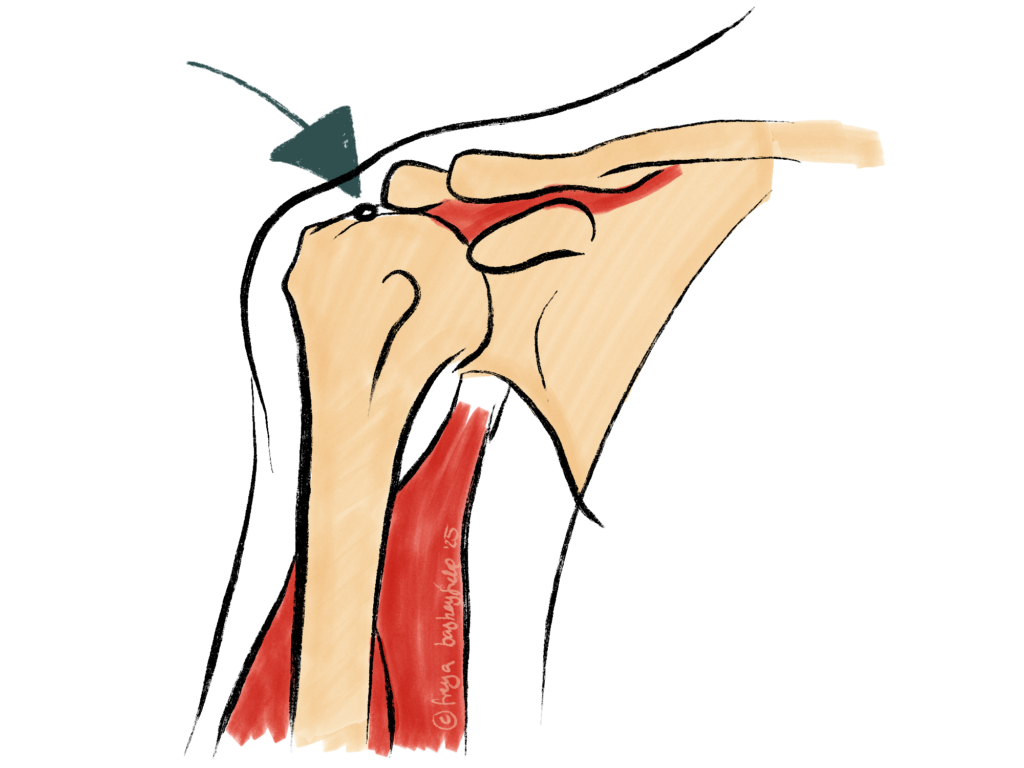
These calcium deposits can become extremely painful, especially during active inflammatory phases. Some people experience mild symptoms for years, while others develop sudden severe pain with no obvious injury.
The condition is most common between the ages of 30 and 60 and appears slightly more frequently in women.
What Causes Calcific Tendinopathy?
The exact cause is still not fully understood. Historically, the condition was thought to simply reflect “wear and tear”, but current evidence suggests the process is more active and complex than that.
Rather than calcium building up because the tendon is degenerating, it appears the tendon tissue undergoes changes in response to altered loading, reduced oxygen supply, or failed healing responses. Calcium is then deposited within the tendon before eventually being reabsorbed by the body.
This helps explain why symptoms often fluctuate dramatically over time.
Symptoms of Calcific Tendinopathy
The shoulder is by far the most common site affected. Symptoms may include:
- pain lifting the arm
- difficulty sleeping on the affected side
- sharp pain with sudden movement
- reduced shoulder mobility
- aching into the upper arm
- weakness caused by pain inhibition
During particularly inflammatory phases, pain can become severe enough to significantly limit daily activities.
Calcific tendinopathy is sometimes mistaken for frozen shoulder because both conditions can cause painful restriction. Making the distinction is important, as the prognosis for frozen shoulder is very slow. It tends to progress for a few months before plateauing, and slowly recovering. Conservative and medical treatments may speed up the phases, but it will still continue to freeze before thawing. Calcific tendinopathy may benefit from additional therapies like shockwave in the meantime.
Rotator cuff strains, bursitis, arthritis, and referred pain from the neck also present similarly.
Why Mechanical Factors Matter
Tendons respond to load. Repeated overhead activity, poor shoulder mechanics, thoracic stiffness, or altered posture can all change how force moves through the shoulder complex. Upper back dysfunction and reduced thoracic mobility are particularly relevant. If the shoulder blade cannot move efficiently because the thoracic spine is stiff, greater strain may be transferred into the rotator cuff tendons.
This does not necessarily cause the calcium deposits directly, but mechanical overload may contribute to ongoing irritation and pain.
Osteopathy for Calcific Tendinopathy
Management depends partly on the stage of the condition. Some calcific deposits settle naturally over time, while others require medical interventions such as injections or shockwave therapy.
Osteopathy focuses on improving the mechanical environment around the tendon and reducing secondary tension patterns.
Treatment may involve:
- improving shoulder and thoracic mobility
- reducing muscular tension
- improving scapular movement
- supporting gradual strengthening
- advising on activity modification
Complete rest is rarely ideal for tendon problems. Instead, rehabilitation usually focuses on appropriate loading that the tendon can tolerate while symptoms settle.
Compensatory patterns are also common. Shoulder pain may lead to altered neck posture, headaches, or upper back stiffness over time. Addressing these associated issues can improve overall comfort and movement quality.
If pain is severe or symptoms are not improving as expected, imaging may be appropriate to confirm the diagnosis and rule out other shoulder conditions.
Make an appointment here to start managing your shoulder pain in Wiltshire.
