
Ganglion cysts are small, fluid-filled lumps that develop around joints or tendons. They are most commonly found around the wrist, but can also appear on the hands, ankles, or feet. Although they can look concerning, ganglion cysts are benign, and often fluctuate in size over time.
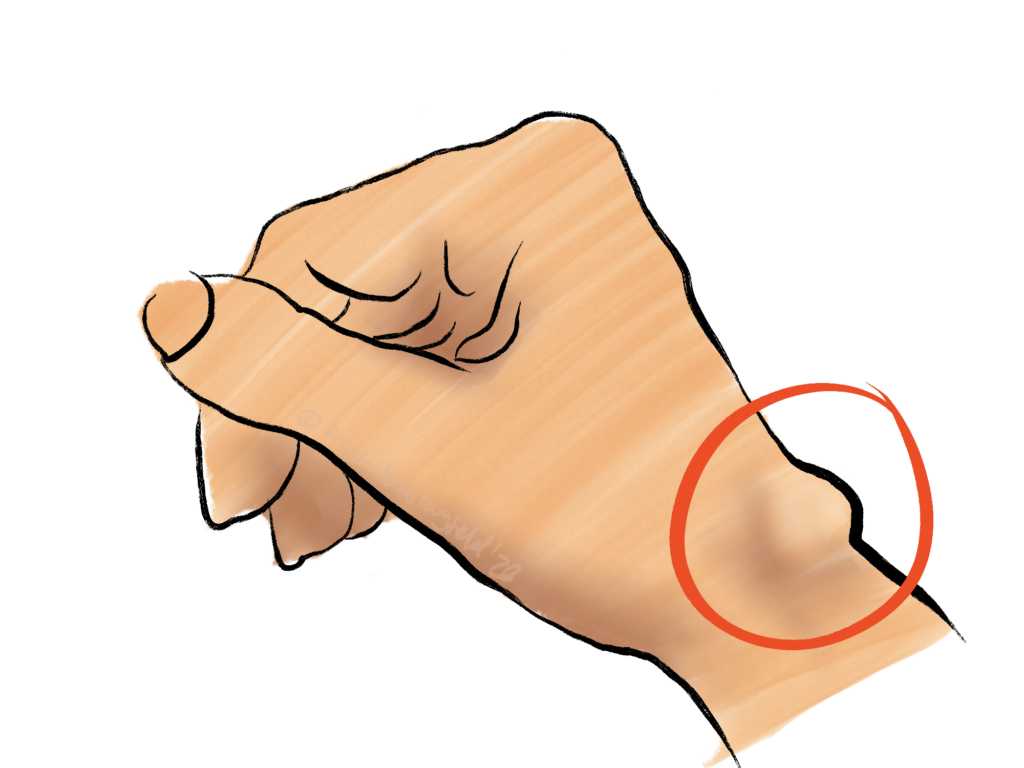
Some ganglion cysts are completely painless and simply become a cosmetic concern. Others can become uncomfortable, particularly if they press on nearby tendons or nerves, or if they develop in an area that experiences repeated pressure during everyday activities.
What Causes a Ganglion Cyst?
The exact cause of ganglion cysts is not fully understood. They are thought to develop when the fluid within joints escapes, pushing through a weaker part of the joint capsule. Rather than dispersing into the surrounding tissues, the fluid collects into a small sac.
Some cysts appear after an injury, while others develop gradually for no apparent reason. Repetitive loading of the wrist or fingers may increase the likelihood of developing one, although many people cannot identify any particular cause.
Ganglion cysts are most common in adults between the ages of 20 and 50, and occur more frequently in women than men.
Symptoms of a Ganglion Cyst
The most obvious symptom is a smooth lump close to a joint or tendon.
Depending on its size and location, you may also notice:
- aching around the joint
- pain when gripping or weight-bearing
- reduced movement locally
- tingling or numbness if a nearby nerve is compressed
- changes in size over days or weeks
Many wrist ganglions become more noticeable after periods of activity, as increased joint movement can temporarily increase the amount of fluid within the cyst.
Not every lump around the wrist is a ganglion cyst. Arthritis can produce bony swellings around finger joints, while tendon injuries, lipomas, and other soft tissue masses can look and behave similarly. Your osteopath will assess your wrist thoroughly to diagnose, identify whether treatment is appropriate, and develop your management plan.
Treatment Options
Many ganglion cysts require no treatment at all. If they are not painful and are not limiting function, simply monitoring them is often appropriate. They may disappear on their own, or remain asymptomatic for years.
If symptoms become problematic, your GP may discuss aspiration, where fluid is drained from the cyst using a needle. However, recurrence is relatively common because the connection with the joint capsule often remains. In more persistent or painful cases, surgical removal may be considered.
You may come across advice to whack a ganglion with a heavy book (specifically a Bible) to burst it. This is no longer recommended, as it can cause unnecessary injury without reducing the chance of recurrence.
Osteopathy for Ganglion Cysts
While osteopathy cannot remove the cyst itself, treatment may help improve the mechanics of the surrounding joints and soft tissues. If stiffness elsewhere in the wrist or hand is increasing stress through one area, improving overall movement may help reduce irritation.
Your osteopath will assess how the entire upper limb is functioning, including the wrist, elbow, shoulder, and even the neck where appropriate. Reduced movement higher up the chain can sometimes alter the way forces are transmitted through the wrist during gripping, lifting, or sporting activities.
Treatment may include gentle joint mobilisation, soft tissue techniques, advice on modifying aggravating activities, and exercises to improve strength and movement. If the cyst is pressing on nearby structures and causing symptoms such as tingling, your osteopath can also advise when further medical investigation may be appropriate.
Make an appointment here for Osteopathy in Pewsey or Devizes
