
One thing that sets osteopaths apart from other healthcare practitioners is our first instinct to look at the whole picture. This means questioning and examining joints and muscles beyond the symptomatic area, but also looking for other conditions or psychosocial factors that might hold key information about your pain.
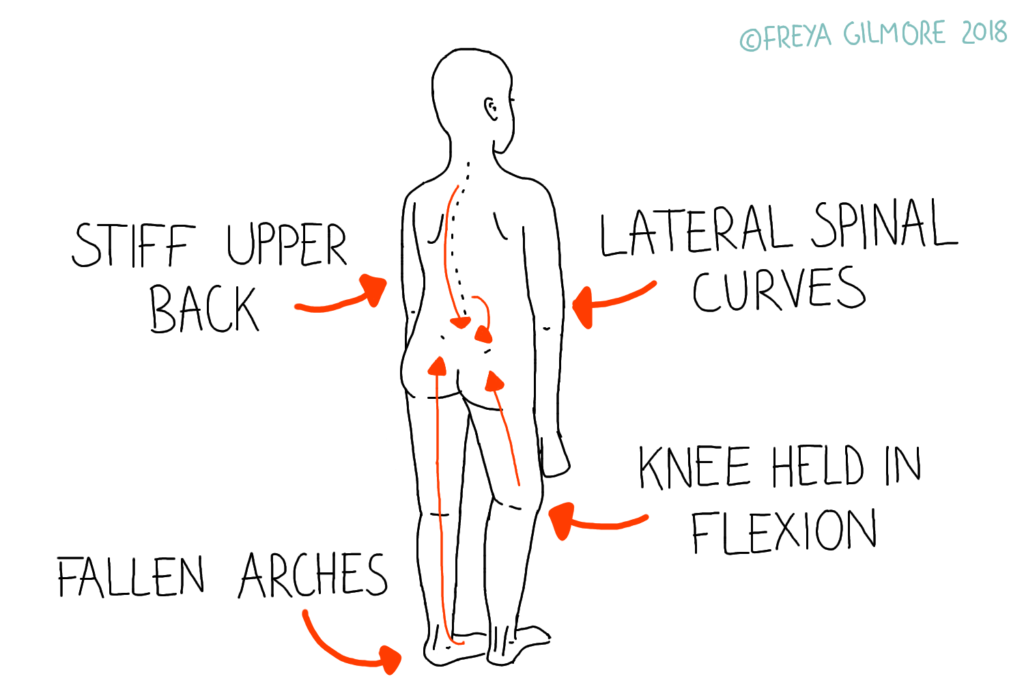
When you come for your first appointment, we will take note of your current symptoms and immediately try to work out “why there and why now?”. This information allows us to build an effective and comprehensive treatment plan. We aim to getting to the root of your current problem and minimise or prevent future episodes. This applies to both acute injuries, like sports injuries, and longer term issues, like arthritis.
The Mechanical Picture and Acute Injuries
If, for example you present with a shoulder injury associated with throwing, there are a few questions we will want to ask. Firstly: have you recent the increased or changed your training regime? Sudden increases in frequency or intensity can, in themselves, present an issue. But nothing exists in a vacuum. What might be more significant is any other aches and pains that you’ve been suffering from, and maybe adapting to recently. Before the shoulder started to bother you, was there anything going on in your wrist, elbow, or upper back? Altering your throwing technique may have been a subtle shift that’s overloaded something that wasn’t prepared for the demand.
With this broader view of your case, we can get on top of the acute issue, but also give you the advice and guidance needed to speed up your recovery and prevent reoccurrence.
The Mechanical Picture and Long-Term Issues
Osteoarthritis is a good example of a condition that is strongly driven by the context of the body. Arthritis occurs due to overuse, misuse, or injury; but there will always be other variables involved too. Some of these variables are not within your control, such as genetic factors. But things like nutrition and hydration play strong roles too, and they are variables that you can control.
Hip arthritis is a good example here, it often goes under detected in its early stages as the body adapts well for the movement lost to the condition. Catching symptoms early is helpful for a better outcome as the joint is healthier than it otherwise would be. But it also gives us a chance to look at other joints that might not be working so well, that have potentially overloaded the hip, causing osteoarthritis as an overuse injury.
Treating with a Mechanical Framework
When we have the context of your injury or condition, we can tailor your management plan to target as many factors involved in the development of your pain as possible. It’s worth noting that alongside the mechanical patterns we will look at the rest of you as a whole as well. That includes pain science and psychosocial involvement, down to things like the demands of your job. If you spend eight hours a day behind a wheel or at a desk, this will impact the picture and alter how we manage things. Your osteopath will work alongside you to find a treatment plan, and exercises that suit you and move you forward.
Click here to make an appointment for your aches and pains in Devizes or Pewsey
